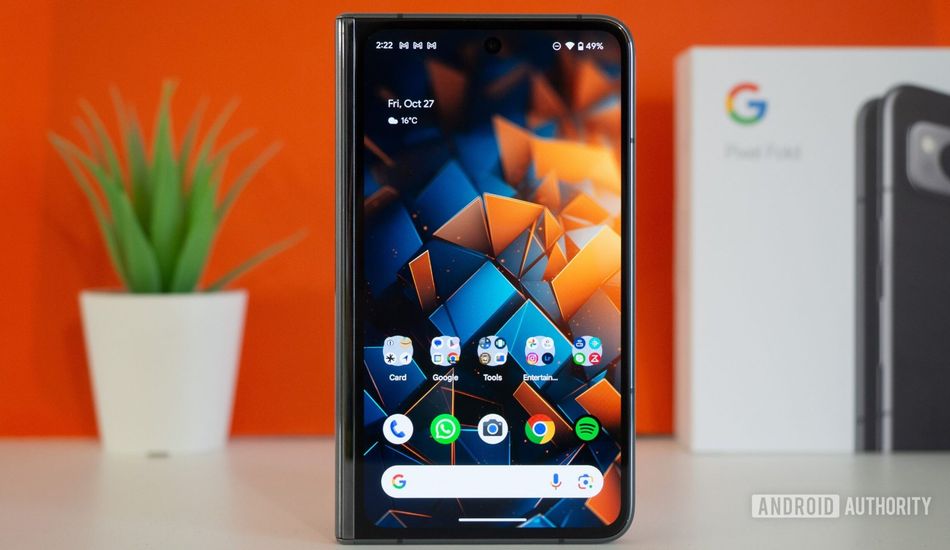
Was the Pixel Fold Ahead of Its Time? A Look Back at Google's Foldable Vision
It's interesting to reflect on how technology evolves. I remember when Google first unveiled the Pixel Fold. Its wider, shorter design was quite the departure from the taller, narrower foldables we were seeing. While it had its flaws – the hinge wasn't perfect, and it felt a bit hefty – it dared to be different. Now, years later, there are whispers that Apple and Samsung might be embracing a similar form factor with their own foldable devices. It makes you wonder if Google was onto something all along.
When I got my hands on the original Pixel Fold again, I was surprised by how easily it slipped into my pocket compared to newer models. I could actually forget it was there! With other foldables, I'm always aware of the extra bulk. Before you even unfold these devices, they need to function well as regular phones, and that's where the Pixel Fold's compact design gives it an edge, in my opinion.
There's something almost charming about the Pixel Fold's shape. It feels good in the hand, and its size makes it fun to use. New foldables seem to be geared toward productivity and business. The Pixel Fold, on the other hand, feels more casual and approachable. I know I'm making a generalization, but that's the impression I get.
The Beauty of a Wide Display
Unfolding the Pixel Fold feels like opening up a mini-tablet, with its wide, landscape-oriented display. Newer foldables, with their square-ish screens, don't offer the same distinct experience. Watching videos on these devices can be underwhelming, as the video often takes up only a portion of the screen. The Pixel Fold, however, shines when it comes to media consumption. Whether you're watching regular videos or short clips, the screen is well-optimized for both orientations.
Of course, I had to wonder if there's a drawback to this wider design. Newer foldables are supposed to be better for split-screen multitasking. However, the Pixel Fold handles split-screen just fine. I can easily work on multiple apps at once without any problems. The same goes for full-screen apps, as Android has made improvements to ensure they adapt well to wider displays. Apps like Kindle really take advantage of the wide display, making it feel like you're reading a real book.
The fact that Samsung and Apple are rumored to be exploring this design suggests that Google might have been ahead of the curve. These companies seem to understand that a wider inner display offers a better experience for media consumption, providing distinct orientations optimized for different types of content.
It makes me curious about what the original Pixel Fold designers are thinking now. Do they feel vindicated by these rumors? Do they regret not sticking with their original vision? Only time will tell if Google will revisit this design, but one thing is clear: the Pixel Fold was a unique and innovative device that may have been released before its time.
Source: AndroidAuthority