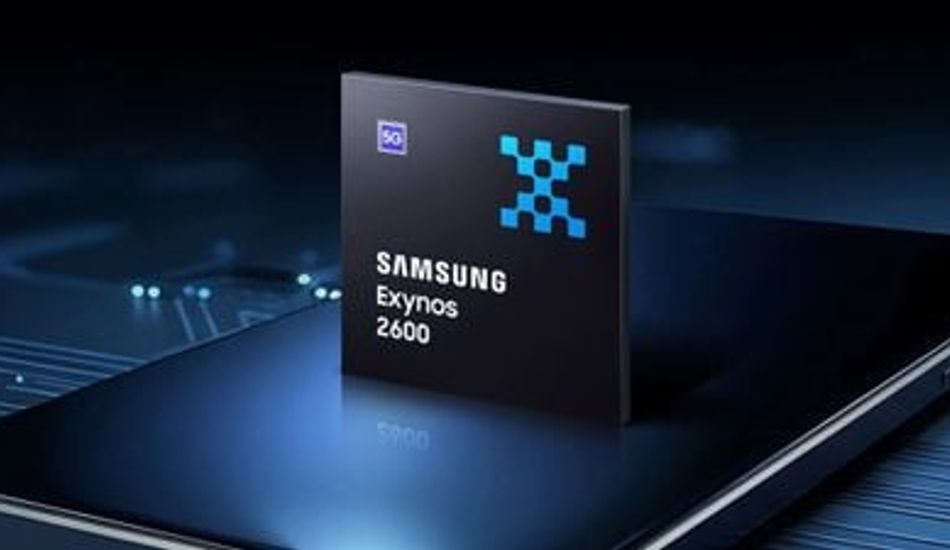
Samsung Unveils Exynos 2600: The World's First 2nm Mobile Chipset
Samsung just dropped a bombshell: the Exynos 2600, and it's the first 2nm mobile chip in the world! It seems like they're really trying to push the boundaries of what our phones can do. I've been following these developments for a while, and it's exciting to see companies like Samsung and Apple constantly leapfrogging each other with new technologies.
This new chip is built with something called Gate-All-Around (GAA) tech, and it's got a 10-core ARM-based design. What does that all mean for you and me? Basically, Samsung is promising a big boost in performance and efficiency, especially for their upcoming Galaxy S26 series. It's like giving your phone a supercharged engine.
The Exynos 2600 isn't just about raw power, though. It's also designed to handle AI tasks much better. Samsung claims we're talking about a 39% jump in CPU performance and a whopping 113% improvement in how fast the chip can handle AI. Imagine how much smoother things will be when you're using apps that rely heavily on AI, like voice assistants or image recognition software.
Speaking of graphics, the new Xclipse GPU should double the graphics performance and boost ray tracing by up to 50%. So, games are going to look even more stunning, with richer details and more realistic lighting.
Now, let's address the elephant in the room. In the past, Exynos chips haven't always had the best reputation, especially when it came to overheating and slowing down under pressure. I remember reading about tests where Exynos-powered phones struggled to keep up with their competitors. However, Samsung says they've learned from those experiences and have introduced a new cooling system called Heat Path Block (HPB). It uses a special material to help dissipate heat more effectively, so the Exynos 2600 can maintain its peak performance for longer periods, even when you're pushing it to the limit. Hopefully this fixes the past flaws.
While Samsung is leading the charge with this 2nm chip, Apple isn't far behind. They're expected to adopt the 2nm process in 2026 as well, though they'll be using TSMC's technology. It's like two titans racing towards the same finish line. The iPhone 18 lineup is likely to be the first Apple devices to sport these new chips.
These 2nm chips promise some serious upgrades compared to the current 3nm chips. We're talking about up to 15% better performance, or 25-30% lower power consumption. Plus, they can pack more transistors into the same space, which means more features and capabilities.
What I'm really curious about is how these advancements will translate into real-world improvements. Will our phones feel noticeably faster? Will battery life be significantly better? And how will these chips handle the ever-increasing demands of AI and augmented reality applications? Only time will tell.
Source: Mac Rumors