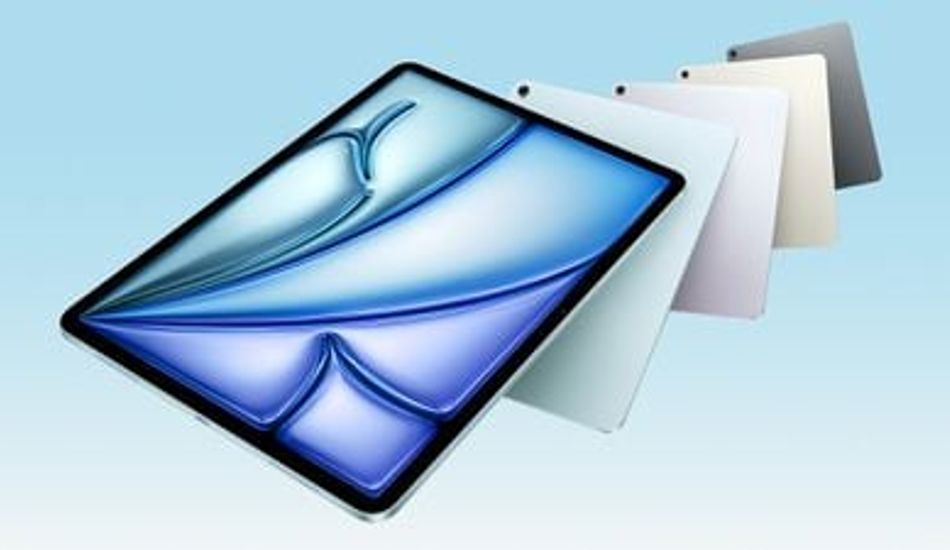
iPad Air M4: A Modest Upgrade Worth Considering?
So, Apple dropped a new iPad Air, and honestly, it's not a massive overhaul compared to the previous one. It's more like a refined version, sporting some under-the-hood improvements that might not be immediately obvious to everyone.
The big story here is the jump from the M3 chip to the M4. We're talking about improvements to machine learning, better memory bandwidth, and more efficient performance, thanks to updated tech. It's like giving the iPad Air a shot of adrenaline, making it smoother and snappier, especially when you're juggling multiple tasks or diving into graphics-intensive apps.
However, if you already own an M3 iPad Air, don't feel pressured to upgrade right away. The changes are there, but in everyday use, you might not notice a huge difference. It's more of a future-proofing move for new buyers, ensuring they get the latest tech from Apple.
Apple themselves are kind of hinting that this isn't a groundbreaking update. The battery life remains the same, and even the marketing materials are familiar. For most users, the performance difference will be negligible, especially if you're mainly using your iPad for browsing, emails, and watching videos.
Think of the iPad Air as the sweet spot in Apple's tablet lineup. It offers way more power than the basic iPad without hitting the wallet-busting prices of the iPad Pro. The move to the M4 chip, extra memory, and the latest connectivity standards (like Wi-Fi 7) essentially equip new buyers with modern hardware, giving the device some extra longevity.
If you're rocking an older iPad Air (maybe an M1 or M2 model), you probably won't see life-changing benefits from upgrading. This update is more about giving new iPad Air buyers the latest Apple tech in a familiar, user-friendly package.
Source: Mac Rumors