Apple's App Tracking Transparency Under Scrutiny in Poland
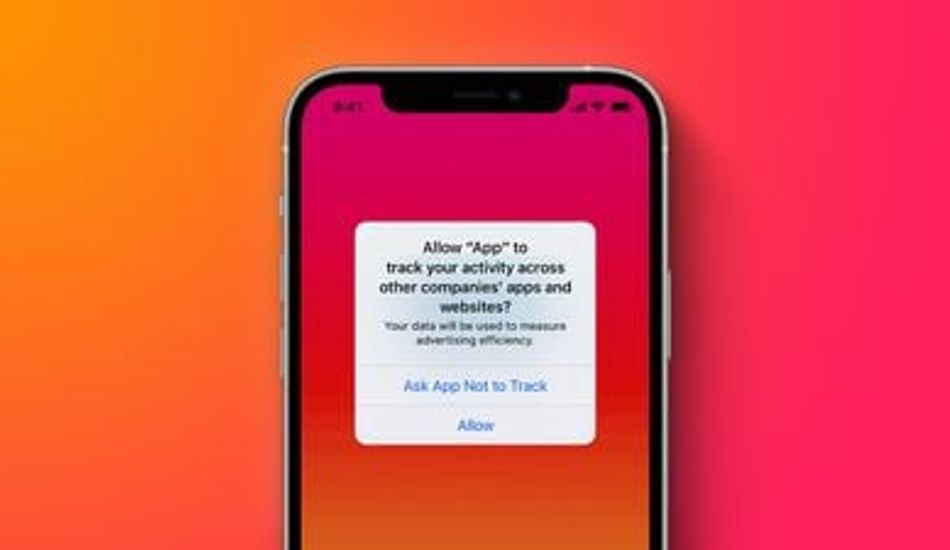
It appears Apple's App Tracking Transparency (ATT) feature, which was rolled out a few years ago with iOS 14.5, is facing some serious scrutiny. This feature requires apps to ask for your permission before tracking your activity across other apps and websites. While Apple claims it's all about protecting user privacy, regulators are starting to wonder if there's more to it than meets the eye.
Poland's antitrust regulator, UOKiK, is the latest to launch an investigation. They're concerned that ATT might be giving Apple's own advertising services an unfair advantage. The worry is that by limiting how third-party apps can collect user data for personalized ads, Apple is subtly pushing users towards its own ad ecosystem. If you ask me, it's a valid concern, as it seems like a conflict of interest.
Think about it: Apple controls the platform, the rules, and now, potentially, the flow of user data. As UOKiK President Tomasz Chrostny pointed out, it might even be misleading users about the true level of privacy they're getting, while simultaneously boosting Apple's competitive edge.
If Poland's investigation finds Apple guilty, the consequences could be significant, with fines potentially reaching up to 10% of Apple's annual turnover in the country. That's a hefty sum!
Apple, of course, defends its ATT feature, arguing that it's simply giving users control over their data. They claim the data tracking industry is pushing back because it threatens their business model. To me, it's clear that there are at least two sides to it, and I believe it's a complex situation. Other European countries, like Germany, Italy, and Romania, have also launched similar investigations. In March, France even fined Apple €150 million over how ATT was implemented.
In my opinion, if I were Apple, I would be worried. While it's important to protect user privacy, it's equally important to ensure a fair and competitive market. Finding the right balance is the challenge.
Source: Mac Rumors