Apple Tops 2025 Smartphone Market With 20% Share, 10% Growth
It's amazing to see how the smartphone landscape is constantly shifting. Recent data reveals that Apple has taken the lead in the global smartphone market in 2025. The company has achieved a 20% market share, showing an impressive 10% year-over-year growth in shipments. This growth is particularly remarkable when you consider that it’s the highest among the top five brands.
While global smartphone shipments saw a modest 2% increase compared to the previous year, it's the second consecutive year of growth, which is encouraging. According to Counterpoint Research, more and more people are choosing to upgrade to premium devices, helped by better financing options. Plus, the increasing availability of 5G in emerging markets is also a big factor.
Samsung is close behind Apple, holding a 19% market share, but their shipment growth is more moderate at 5%. Meanwhile, Xiaomi maintains its third-place position with a 13% share of the market.
What's Driving Apple's Success?
One thing that contributed to Apple's success in 2025 was its growing presence and the increasing demand in developing and mid-sized markets. The iPhone 17 series performed exceptionally well after its launch in the fourth quarter. The iPhone 16 also continued to do well in countries like Japan, India, and Southeast Asia.
The pandemic also has a indirect influence in these numbers. The pandemic-era upgrade cycle is reaching a crucial point. Millions of users are now due for a device replacement, which helped Apple's numbers even more. In the last quarter of 2025, Apple was responsible for one-fourth of global shipments, marking their highest quarterly share ever.
Looking ahead, Counterpoint's forecast for 2026 is a bit more cautious. The global smartphone market might face some challenges due to potential shortages of DRAM/NAND components and rising costs. Also, chipmakers may prioritize AI data centers over smartphones, which could impact the market. Counterpoint has revised its 2026 forecast downwards by 3%. However, companies like Apple and Samsung are expected to remain strong due to their solid supply chain capabilities.
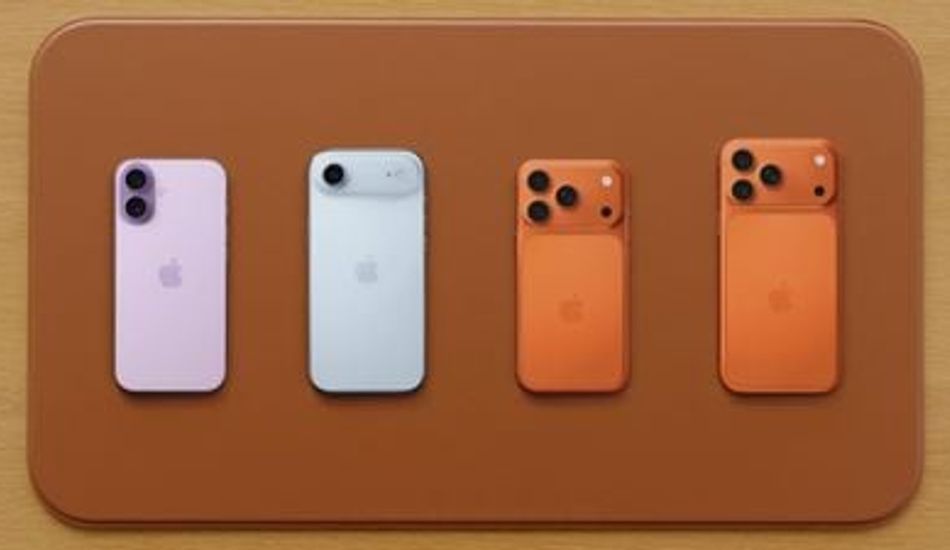
1 Image of Smartphone Market:

Source: Mac Rumors