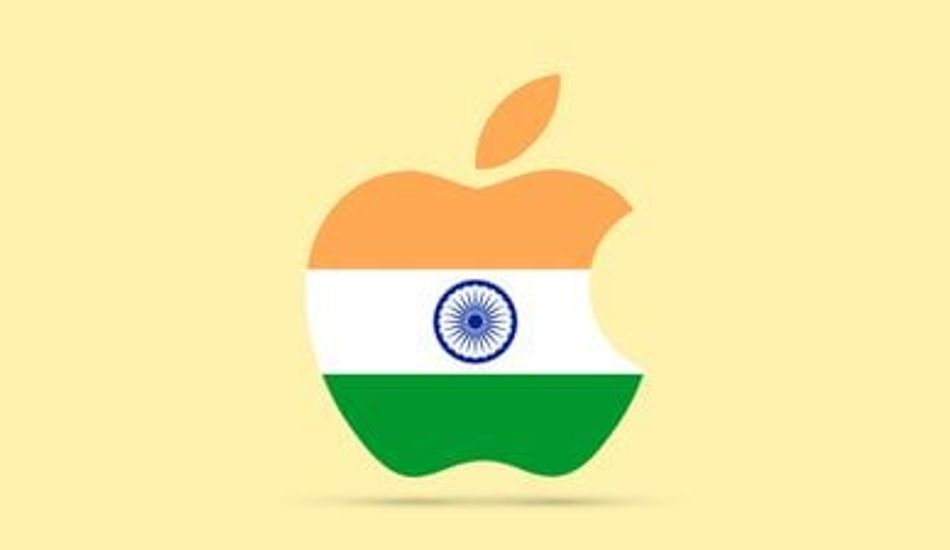
Apple Resists India's Source Code Request: Security vs. Privacy
So, there's this thing happening in India where the government wants to take a peek under the hood of our smartphones. I mean, they're asking Apple and other big companies like Samsung and Google to hand over their source code so they can check for any security holes. That’s like asking Coca-Cola for their secret formula, right?
Apparently, this is all part of a larger effort to boost data security after a rise in online fraud and data breaches. The Indian government, led by Prime Minister Modi, is trying to put in place a set of 83 security standards that would become legal requirements. Besides sharing the source code, companies would also have to keep the government in the loop about major updates and store security audit logs. Sounds like a lot, doesn’t it?
Now, you can imagine that companies like Apple aren’t too thrilled about this. They're worried about giving away their secrets and say there's no real precedent for this kind of thing globally. I can see their point. If you've spent years developing something, you wouldn't want to just hand it over, especially if it's the key to your success. For example, imagine a small startup that has an innovative app, and they have to give their code away; it could be devastating.
There was even a similar situation back in December when the Indian government wanted iPhones to come with a pre-installed, state-run security app. After a lot of pushback from privacy advocates and companies, they backed down. So, this isn’t the first time this has happened.
The IT ministry has even said that it's not exactly seeking source code from phone makers, despite the fact that it appears in the government's own documents. It seems they are open to discussing the matter, but the ministry refuses to comment any further on the matter while talks with tech firms are ongoing.
It’s a tough situation. On one hand, you have a government trying to protect its citizens from cyber threats. On the other, you have companies worried about protecting their intellectual property. What I think is that hopefully, they will find a balance that respects both security and innovation. Maybe there's a compromise that allows for security audits without revealing all the proprietary secrets. After all, compromise is key.
Source: Mac Rumors