Android to Disable Chrome's WebGPU in Advanced Protection Mode
Google is taking Android security up a notch. I recently learned that they are planning to disable Chrome's WebGPU API when users activate Advanced Protection Mode. This is quite interesting, especially if you are someone who values online safety.
So, what exactly is WebGPU? It's essentially a tool that allows web developers to tap into your device's GPU for heavy-duty tasks, like rendering complex images right in your browser. Think of it as giving websites a turbo boost for graphics. However, as with many powerful tools, there's a catch.
The issue? WebGPU isn't as secure as it could be. It's susceptible to attacks and vulnerabilities that could potentially allow malicious actors to execute code remotely on your device. While these vulnerabilities are usually patched up, it's often after they've been discovered by security researchers. This leaves a window of opportunity for those with bad intentions to exploit these weaknesses, particularly targeting high-risk individuals.
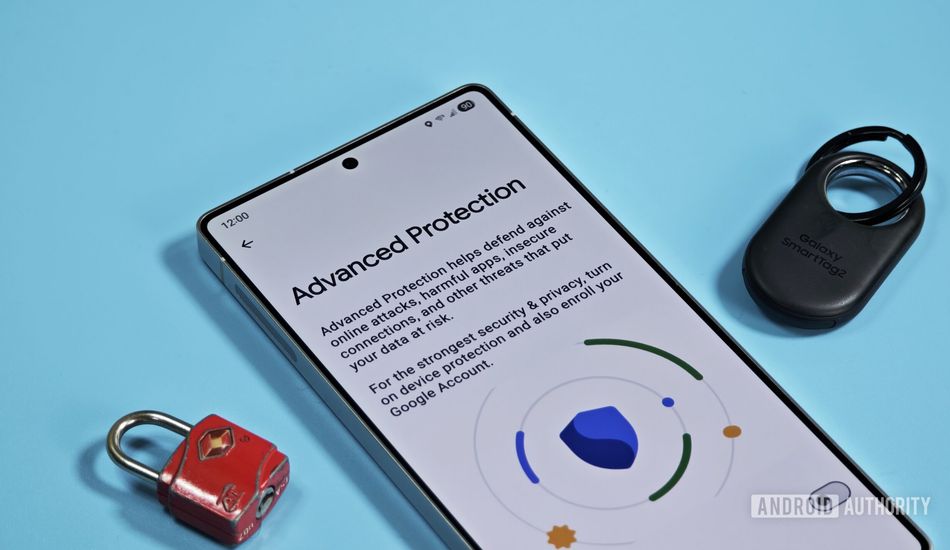
That's where Advanced Protection Mode comes in. Google is adding a feature that will turn off WebGPU in Chrome when this mode is enabled. It's like adding an extra layer of armor to your device. You might be wondering, "Why not just fix the vulnerabilities?" Well, it's an ongoing process. Disabling WebGPU in high-security mode provides an immediate safeguard while those fixes are being implemented and tested.
I can see this being particularly useful for journalists, activists, or anyone who might be a target for sophisticated online attacks. It's a trade-off, of course. You lose some of the graphical processing power in your browser, but you gain a significant boost in security.
This new option will join other Chrome protection features within Advanced Protection Mode. I believe this is a proactive step by Google to stay ahead of potential threats and provide users with more control over their security.
Source: AndroidAuthority