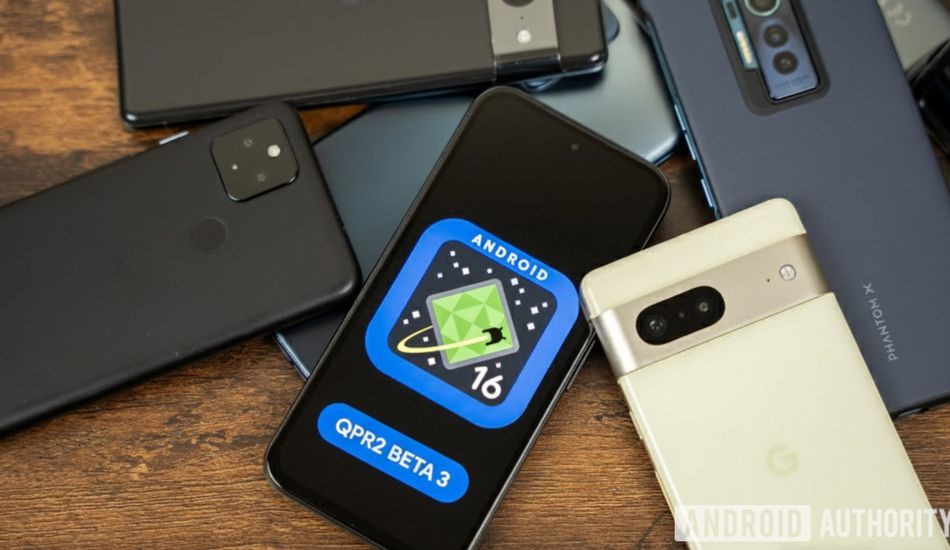
Android 16: A Sleeper Hit That Changed the Game
When Android 16 initially showed up on Pixels, it didn't exactly set the world on fire. I remember many of us feeling underwhelmed. It felt like a minor upgrade, a "point" release rather than a significant leap forward. Many of the promised features were missing.
At first glance, it felt like a letdown. Some people even went as far as to say that nothing had changed. Even Samsung phones were getting some of Android 16's promised features through One UI betas before Pixel users saw them.
The Real Meal: Quarterly Platform Releases
However, it's clear now that the initial release was just the appetizer. The real Android 16 experience arrived with the first Quarterly Platform Release (QPR1). That's when things started to get interesting.
QPR1 brought a massive design overhaul, thanks to Material 3 Expressive. This touched everything from widgets to the Settings app. We also saw upgraded screen saver options, showing off photos, smart home controls, or the weather. Even the lock screen got some love with new clock designs.
Android 16 finally delivered on its promise of Live Updates, with apps like Uber and Google Maps implementing progress bars right on the lock screen. It's so much better than regular notifications! You can now quickly see where your ride is or how long until you need to switch trains.
The 90:10 split-screen mode made multi-window multitasking far more useful. Unlike regular split-screen, this mode dynamically adjusts the size of each app as you switch between them. This makes it very efficient.
Later releases added even more features. There was a small Pixel Drop that allowed apps to run in low-energy mode on the always-on display. I found this particularly useful for Google Maps. The second quarterly release brought lock screen widgets, forced icon theming, new icon shapes, an extended dark mode, and notification categories. It even made Pixels a bit faster.
Why Android 16 Stands Out
What's remarkable is how all these updates have transformed Android 16 from a seemingly boring release into the most exciting version in years. When I look back at Android 15, 14, and 13, none of them brought as many useful features or revived my interest in the platform quite like Android 16.
Even Android 12 with Material You didn't have the same impact on me. Material You felt unfinished, like a vision in progress. However, Material 3 Expressive feels more intentional and complete. For instance, the new Live Updates are a game-changer for getting real-time info from apps without unlocking my phone. The 90:10 split-view has made multitasking on my phone so much easier. I can actually get real work done now.
I'm still warming up to notification summaries and categories, but almost everything else Google has added to Android 16 has found a place in my daily routine. I can honestly say that this is the first time I've felt this way about an Android version in the 2020s. I can finally list more than just a couple of useful additions.
And it's not stopping there. Android 16 QPR3 is already in beta. It's promising granular flashlight brightness controls, new emojis, and customizable navigation buttons. So, while it might have taken a while, Android 16 has truly become a massive update, exceeding expectations.
Source: AndroidAuthority